







Search Results for: Ethiopian grading
A Detailed Guide to Yirgacheffe Coffee Bean Grading: G1 Flavor Characteristics and Comparison with Other Ethiopian Beans
Yirgacheffe, as a representative of Ethiopian specialty coffee, has a grading system that directly affects flavor expression and quality consistency. Ethiopian coffee beans are divided into five grades based on standards such as defect rate, with G1 being the highest level. However, Ethiopian beans appear uneven due to their wide variety of cultivars, with long beans and short beans mixed together, especially in Grade 4 or Grade 5 commercial beans. This article provides a detailed analysis of Yirgacheffe's grading system and an in-depth discussion of Ethiopian coffee beans' appearance characteristics, flavor advantages, and roasting challenges, while also comparing the differences between washed and natural processing to help coffee enthusiasts gain a more comprehensive understanding of this legendary region. The various Yirgacheffe G1 products recommended by Front Street Coffee are ideal choices for experiencing its citrus floral aroma and sweet-tart flavor. [more…]
Ethiopian Coffee Flavor and Regional Variety Analysis: Citrus and Floral Notes, Bean Appearance Characteristics, and Grading System
Ethiopia is a genetic treasure trove of Arabica coffee, and its coffee is world-renowned for its distinctive citrus aromas and rich floral and fruity notes. However, the beans from this land often appear uneven in appearance, and natural-process beans in particular are prone to roasting unevenly. This article will guide you through an in-depth look at the flavor characteristics, variety diversity, bean appearance identification methods, and strict grading system of Ethiopian coffee, while also analyzing the stability differences between washed and natural beans, helping coffee lovers make wiser judgments when purchasing. [more…]
A Complete Analysis of the Reasonable Price Range for Ethiopian Coffee and the Grading Differences Between Yirgacheffe G1 and G2
Ethiopian coffee has always won the favor of many coffee lovers with its affordable prices and rich floral and fruity aromas. But faced with the bewildering array of grade labels on the market, such as Yirgacheffe's G1 and G2, many people are not clear on exactly how they differ and which is more worth buying. This article will start with the price level of Ethiopian coffee, combine it with specific beans from Front Street Coffee, and then delve into the evolution of the country's coffee grading system—from the early CLU defect-count grading to the ECX scoring system that combines physical characteristics with cupping flavor—breaking down one by one the logic of grade classification under washed and natural processing, and focusing on comparing the substantive differences between G1 and G2 in defect rate and cupping score, to help you make more rational purchases of Ethiopian coffee. [more…]
Ethiopian Heirloom Coffee Beans Explained: Differences from Landrace Varieties and Grading Standards
Ethiopia, as the birthplace of coffee, boasts an astonishing variety of cultivars, with nearly 2,000 varieties recorded to date, of which 1,927 are native varieties. Ethiopian coffee beans commonly found on the market are mostly labeled as Heirloom native varieties, but in recent years Landrace local varieties and numbered varieties have gradually gained popularity. In this article, Front Street Coffee will systematically sort out the definition, classification, and identification challenges of Heirloom native varieties, analyze the origins of Landrace and numbered varieties, and introduce in detail Ethiopia's coffee bean grading standards. Finally, it recommends a number of Front Street selected Ethiopian native varieties, covering well-known products such as Gedeb, Red Cherry, Woka, Aricha, and Huakui 5.0, with roasting and brewing data shared as well. [more…]

A Detailed Explanation of the Ethiopian Coffee Bean Grading System: What the G1 Grade Means for Washed and Natural Processing
As the birthplace of coffee, Ethiopia has a coffee bean grading system that is completely different from that of producing countries like Kenya. This article will provide an in-depth analysis of Ethiopia's unique G1 to G9 grading standards, clarify the impact of washed and natural processing methods on grading, and explore how the Red Cherry Project improves coffee quality from the source. At the same time, Front Street Coffee's cupping and brewing practices will give you an intuitive feel for the flavor differences between Yirgacheffe washed beans and natural beans, and help you understand the charm and challenges of Ethiopia's heirloom varieties. [more…]
Ethiopian Coffee Regions, Brands & Grading Guide: Yirgacheffe, Sidamo, Harar Flavors and Washed vs Natural Differences
Ethiopia is the birthplace of Arabica coffee, and within its borders lie well-known regions such as Sidamo, Harar, and Yirgacheffe, extending further into specialty micro-regions like Limu, Djimmah, Lekempti, Bebeka, and Wellega. Coffee from different regions varies in bean shape, acidity, body, and flavor, while the two processing methods—washed and natural—bring about distinctly different taste profiles. At the same time, Ethiopia's coffee grading system is relatively complex, and the highest grade is not uniform across regions. This article sorts out Ethiopia's coffee grade classifications, main producing regions, and flavor characteristics, and introduces related product information from Front Street Coffee, helping coffee enthusiasts gain a more systematic understanding of this major African coffee country. [more…]
Ethiopian Coffee Bean Buying Guide: A Complete Analysis of Regional Flavors, Variety Characteristics, and the Grading System
Ethiopia is the birthplace of coffee. With its vast and complex gene pool and diverse processing methods, it gives rise to richly layered coffee flavors that are deeply loved by coffee enthusiasts. Among the beans offered by Front Street Coffee, the Ethiopian region accounts for thirty to forty percent. This article will walk you through the variety classification of Ethiopian coffee, the flavor characteristics of the two representative regions Yirgacheffe and Sidamo, the differences between washed and natural processing methods, as well as Ethiopia's unique green bean grading system and the Red Cherry Project. Whether you are a beginner just getting into pour-over or a seasoned connoisseur chasing the ultimate flavor, you will find practical guidance here for choosing Ethiopian coffee beans. [more…]
Ethiopian Coffee: A Comprehensive Analysis of Heirloom Varieties, Processing Methods, and Grading Systems
Ethiopia is a genetic treasure trove of coffee, where tens of thousands of heirloom varieties interweave with diverse processing methods to create an extraordinarily rich flavor spectrum. From Yirgacheffe to Sidamo, from washed to natural, the coffee of this East African highland is renowned worldwide for its citrus florals and bright acidity. Yet the uneven bean appearance of landrace varieties, the unique grading system, and the quality boost from the Red Cherry Project together form the distinctive character of Ethiopian coffee. Drawing on Front Street Coffee's shelving experience and cupping records, this article systematically reviews the varietal origins, regional characteristics, processing method differences, and green bean grading logic of Ethiopian coffee, helping coffee enthusiasts gain a deeper understanding of the appeal of this producing country. [more…]
A Detailed Explanation of the Ethiopian Coffee Bean Grading System: Yirgacheffe Grade Classification and the Inner Workings of the Auction System
As the birthplace of coffee, Ethiopia has the most well-developed coffee bean grading system among African producing countries, yet it also leaves many enthusiasts confused. Taking Yirgacheffe as an example, what exactly do Grade-1 and Grade-2 mean? Why can two batches of beans both labeled Yirgacheffe G2 differ so vastly in quality? This article will provide an in-depth analysis of Ethiopia's unique origin naming rules, the grade differences between washed and natural beans, the Parchment Coffee auction grading system, and how exporter blending affects the final quality. The article specifically covers real cases such as Front Street Coffee Yirgacheffe Grade-2, helping you truly decipher the grade code of Ethiopian beans. [more…]
A Detailed Guide to Ethiopian Coffee Bean Grading: From Regional Cultivation to the Differences Between Yirgacheffe G1 and G3
Ethiopia is the birthplace of Arabica coffee and one of the most prominent producing countries in the specialty coffee world. Regions such as Yirgacheffe, Sidamo, and Harar each have their own distinctive characteristics, while grade designations like G1, G2, and G3 are key information that is impossible to avoid when buying Ethiopian beans. From the perspective of Front Street Coffee, this article systematically sorts through Ethiopia's coffee cultivation models, native varieties, the two processing methods of natural and washed, the flavor profiles of nine major producing regions, and the ECX-led grading system. The article will also focus on analyzing the actual differences between Yirgacheffe G1 and G3 in defect rate, bean appearance, and cupping performance, and will include the roasting curve and V60 brewing parameters for Front Street Coffee's Huakui natural beans, helping readers comprehensively understand the quality logic of Ethiopian coffee. [more…]
Detailed Explanation of Ethiopian Sidamo Coffee Bean Grading: Classification Standards and Differences Between G1 and G2 Grades
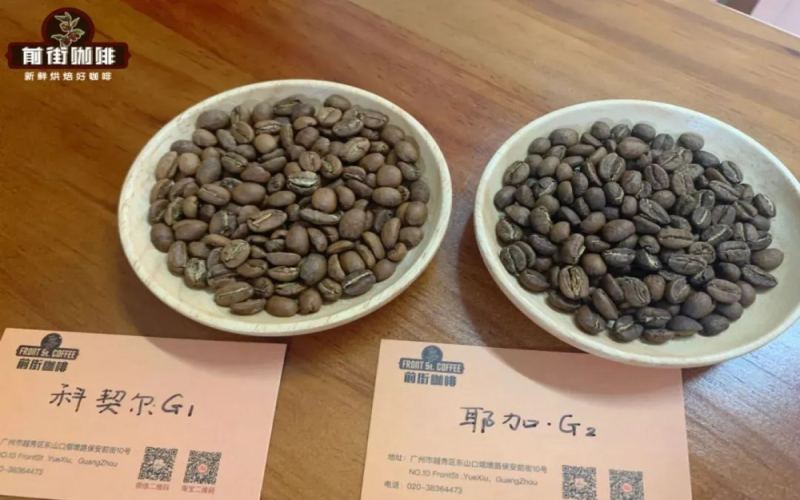
As an agricultural product, coffee beans' quality is influenced by many factors, so a grading system is needed to standardize quality and provide a purchasing reference for green bean buyers. Grading standards vary across producing regions: some are based on altitude, others on bean size, while Ethiopia uses a combination of defect rate and cupping. This article will provide an in-depth analysis of the meaning of the G1 and G2 grades for Ethiopian Sidamo coffee beans, explore the evolution of its grading system, and, through a comparison of Yirgacheffe G1 and G2—from appearance and roasting to cupping flavor—reveal the practical impact of grade differences on coffee quality. At the same time, Front Street Coffee's brewing recommendations will also provide you with useful reference. [more…]
A Comprehensive Analysis of the Meaning of Ethiopian Coffee G1 and G2 Grades and the Evolution of Its Grading System
Ethiopia, as Africa's largest coffee producer and the widely recognized birthplace of coffee, often labels its coffee beans with grades G1 or G2. What exactly do these letter-and-number combinations represent? This article traces the historical evolution of Ethiopia's coffee grading system, from the early CLU system that classified purely by defect count, to the introduction of cupping score comprehensive rating after the establishment of the ECX in 2009, and finally to the latest revised export standards in 2022. You will learn about the differences between washed and natural processing in grading, as well as the distinction between Q1 and Q2 specialty grades and commercial and domestic coffee. The article also retains product information from the Front Street brand, making it suitable for every reader who loves Ethiopian coffee to read in depth. [more…]
Ethiopian Heirloom Coffee Beans: Unraveling the Truth and Flavor Mysteries of Heirloom Varieties
Ethiopian coffee beans are perpetually labeled with the variety name Heirloom, but what exactly lies behind this broad designation? Why are Ethiopian beans always so inconsistent in size and so varied in flavor? This article, from the perspective of Front Street Coffee, traces the origin of the term "heirloom" and the controversies surrounding its definition, analyzes Ethiopian coffee variety classification, cultivation models, and green bean grading systems, and, through a blind tasting comparison of Front Street Sidamo Natural Arsi, reveals the true flavor differences between large and small coffee beans, helping you genuinely understand the richness and complexity of Ethiopian coffee. [more…]
A Complete Analysis of the Ethiopian Coffee Bean Grading System and Flavor: Heirloom Varieties, the Red Cherry Project, and Front Street Recommendations
Ethiopia, as the birthplace of coffee, is home to tens of thousands of heirloom varieties, and its coffee is world-renowned for its citrus and floral notes and complex flavors. This article provides a detailed analysis of the Ethiopian coffee grading system, from the classification of washed and unwashed coffees to the G1 to G9 evaluation standards, and introduces how the Red Cherry Project improves coffee quality. At the same time, Front Street Coffee shares cupping experience from the Yirgacheffe and Sidamo regions, comparing the flavor differences between washed and natural beans, offering coffee enthusiasts comprehensive knowledge about Ethiopian coffee. [more…]
A Comprehensive Analysis of the Differences Between Ethiopian Coffee G1 and G3 Grades and the Flavor Characteristics of Major Producing Regions
Ethiopia is the birthplace of Arabica coffee and one of the most prominent producing countries in today's specialty coffee landscape. Beyond the two calling cards of Yirgacheffe and Sidamo, the country is also home to numerous distinctive regions such as Harar, Gimma, and Limu. This article will walk through cultivation methods, native varieties, processing methods, and the flavors of the nine major regions, then move on to the specific differences between G1 and G3 in the ECX grading system. Combined with roasting and brewing examples from Front Street Coffee, it aims to help readers gain a systematic understanding of the quality landscape of Ethiopian coffee. [more…]
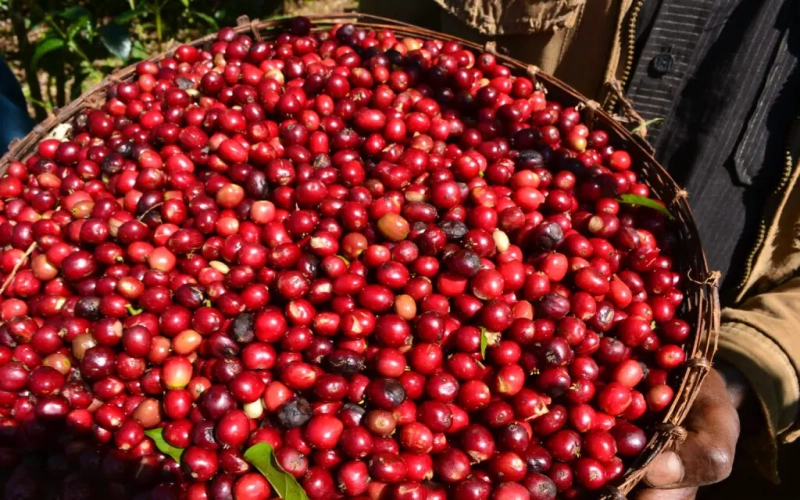
The Origin of African Coffee: A Comprehensive Analysis of Ethiopian Coffee Bean Origins, Processing Methods, and Grading Systems
Ethiopia is the birthplace of Arabica coffee and the world's fifth-largest Arabica producer, known for coffees with bright, citrus-like acidity and a tea-like sweet finish. This article systematically covers Ethiopia's coffee-growing regions, its three main cultivation models, the two major processing methods of washed and natural, the G1 to G9 grading and quality control system, and the evolution of the coffee export trade. It also draws on Front Street Coffee's cupping experience to help readers understand the crisp flavors Ethiopian beans display at light-to-medium roasts, as well as the stylistic differences between washed and natural Yirgacheffe and the basis for choosing between them. [more…]
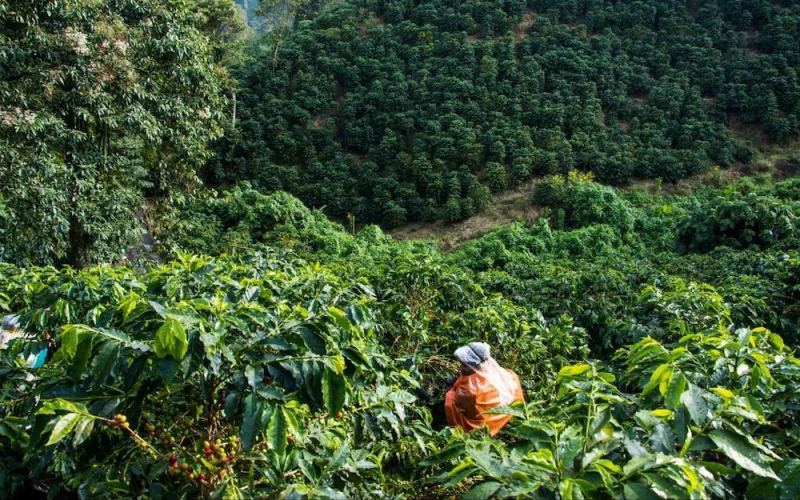
Ethiopian Coffee Flavor and Bean Variety Grading Explained: A Comprehensive Analysis of Heirloom Varieties, Regional Landraces, and Numeric Varieties
As the birthplace of Arabica coffee, the forests of southwestern Ethiopia nurture countless coffee varieties, which gives the local coffee a unique flavor that is hard to replicate. Because the varieties are extremely diverse, it is difficult for the government to name them one by one, so they are mostly referred to collectively as "heirloom varieties." On this basis, regional varieties and numbered lines beginning with 74 and 75 have also emerged. The grading of Ethiopian coffee beans is based on the number of defective beans, with five grades from G1 to G5, among which G1 and G2 are the highest quality. This time, Front Street Coffee uses washed Yirgacheffe G2 as the representative everyday coffee of the Ethiopian region, presenting the classic flavor of intertwined citrus, white flowers, honey, and tea-like notes, and also includes pour-over suggestions and bean-resting instructions to help coffee lovers gain a more complete understanding of the charm of Ethiopian coffee. [more…]

Ethiopian G1 vs G2 Single-Origin Beans: Grading Criteria, Flavor Comparison, and Front Street Brewing Tests
Ethiopia's coffee grading system is unique, using defect rate as its core criterion, which stands in sharp contrast to the practices of most producing regions that grade by altitude or bean size. As the two most common grades, G1 and G2—just how big is the gap between them in terms of green bean appearance, roasting performance, and cup flavor? From the perspective of Front Street, this article traces the origins of the Ethiopian grading system, and through a comparative test of Yirgacheffe G1 and G2, examines everything from green bean condition and roast color values to brewing and tasting, helping coffee enthusiasts understand the practical meaning of grade labels and what role they actually play in the consumption of roasted beans. [more…]
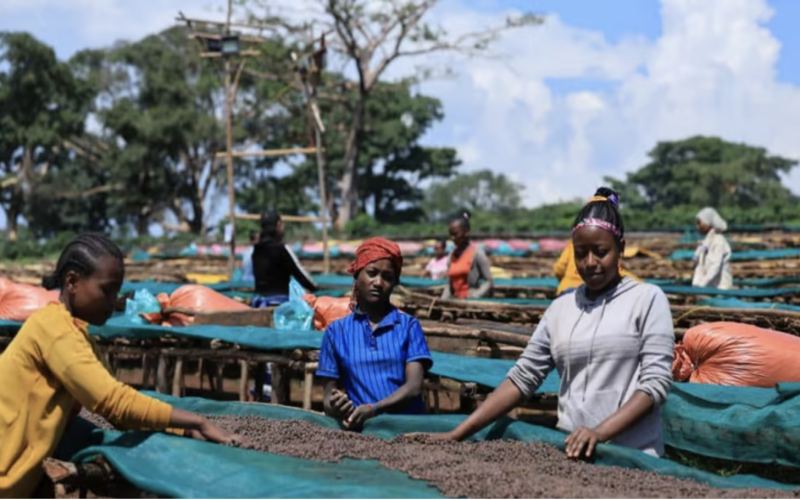
The grading system of Ethiopian coffee beans, the Yirgacheffe G1 and G2 grades.
We know that the grading method of coffee beans usually depends on the actual situation of the growing country, such as being divided according to the size of the coffee beans, like Kenyan coffee; being divided according to the altitude, like Blue Mo [more…]
Yirgacheffe Adado: A Comprehensive Analysis of Variety Classification, Terroir, and Washed/Natural Flavor Profiles of Ethiopian Specialty Beans
Yirgacheffe is both a highland town in Ethiopia and one of the most recognizable flavor symbols in the global specialty coffee world. This article systematically sorts through the variety classification system of Yirgacheffe specialty coffees such as Adado, the terroir conditions of the origin, the process differences between the two processing methods of natural and washed, and the signature flavors of citrus, jasmine, and fermented fruit sweetness that arise from them. From red cherry picking standards to the ECX grading system, from the innovation of traditional natural processing to the introduction of washed techniques, and then to Front Street Coffee's brewing suggestions, this takes you through a comprehensive understanding of why this wetland area can give rise to Africa's most famous specialty coffee. [more…]